
From Chore Lists to Lasting Skills
Today we explore cross-training soft and technical skills for household management, turning everyday chores into a practical workshop for empathy, communication, planning, safety, budgeting, and maintenance. Expect hands-on ideas, real stories, and simple experiments your home can try this week. Share what works in your space, ask questions in the comments, and subscribe for ongoing challenges that make family life smoother and kinder.
A Household That Learns Like a Team
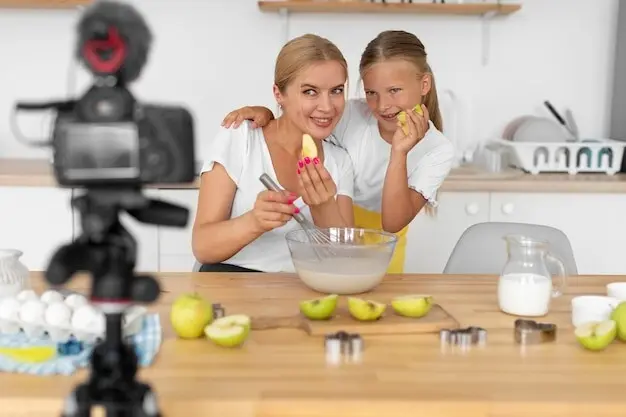
Imagine your home running like a caring crew: everyone understands the mission, knows the basics of each station, and backs each other up when surprises happen. Cross-training soft and technical skills builds resilience, prevents burnout, and transforms chores into shared victories. When roles are flexible and knowledge flows, Saturday chaos becomes calm momentum, and even setbacks feel like opportunities to learn together.
Conversations That Turn Tasks Into Cooperation
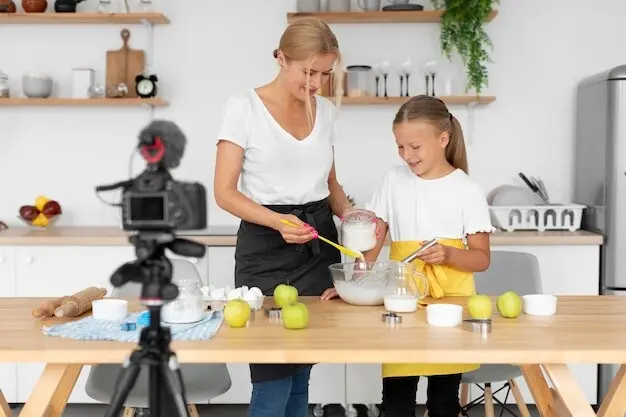
The most powerful tool in any home is a kind, specific sentence delivered at the right moment. Communication transforms instructions into shared understanding, prevents misunderstandings from poisoning goodwill, and keeps energy focused on outcomes rather than blame. Practicing listening, mirroring, and check-backs pairs perfectly with crisp task clarity, making every job faster, safer, and surprisingly more satisfying.
Daily Briefings Without Meetings That Drag
Hold a three-minute morning huddle at breakfast or by the door: align on top priorities, time constraints, and any special needs. Use simple language, confirm understanding, and end with gratitude. A micro-briefing avoids invisible assumptions, doubles accountability, and centers kindness. It blends the soft skill of clarity with the technical skill of sequencing tasks to avoid bottlenecks.
Kind Feedback That Actually Changes Behavior
Swap vague criticism for a concrete, compassionate pattern: describe what happened, share its impact, ask how they saw it, and co-create a tiny next step. Practice this after successes too, reinforcing effective habits. When feedback becomes collaborative, people improve faster, resent less, and remember the process. The result: better technique, safer decisions, and a warmer atmosphere.
Repairing Friction Before It Hardens Into Resentment
Conflicts around chores often mask deeper needs for fairness, recognition, or rest. Use brief repair scripts: name the tension, own your part, ask what would feel supportive, and propose one change. Follow up with a check-in. Repairing quickly preserves momentum, strengthens trust, and makes retraining on technical steps possible because hearts are open and defenses are down.
Hands-On Systems: Tools, Safety, and Repeatable Methods
Technical confidence turns hesitation into action. Knowing how to use a stud finder, test a circuit, dilute cleaners, or adjust a hinge builds speed and pride. Pair that with repeatable methods—checklists, labeled kits, and first-step prompts—and your home gains reliability. Safety training anchors everything, ensuring care for people and property comes before speed or perfection.

Time, Money, and Supplies Aligned
Weekly Sprints and Visible Progress
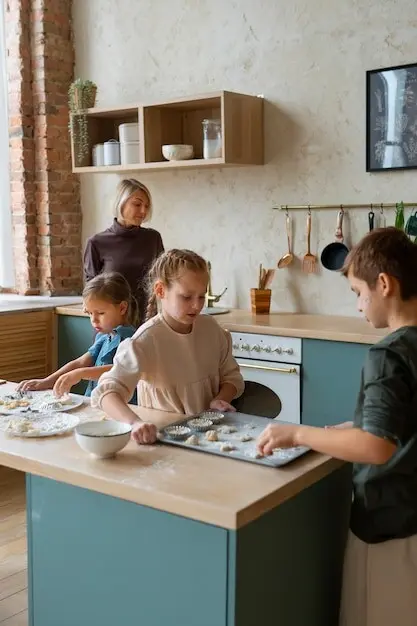
Choose three focus outcomes for the week, assign ownership, and block time realistically. Use a visible board—whiteboard, fridge magnets, or a shared app—and celebrate completed tasks publicly. A short retrospective on Sunday refines the next sprint. The structure builds accountability gently, couples empathy with execution, and turns scattered to-dos into prioritized commitments the whole house understands.
Budgets That Reflect Values, Not Just Numbers
Turn budgeting into a values conversation: what comforts matter, which subscriptions earn their keep, and where can generosity expand? Use zero-based planning, sinking funds, and a simple review rhythm. Teach reading statements, spotting patterns, and negotiating bills. When numbers mirror values, motivation rises, waste drops, and financial decisions feel like shared commitments, not restrictive rules.
Pantry Par Levels, FIFO, and Waste-Free Cooking
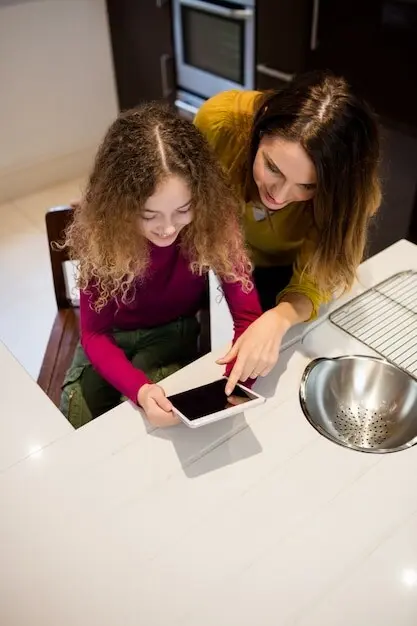
Assign minimum quantities for staples, track with a simple list, and practice first-in, first-out rotation. Post quick-use ideas for aging ingredients and plan one “clear the fridge” meal weekly. Involve kids in labeling and sorting to build responsibility. Mastering inventory teaches forecasting and reduces stress, while soft skills—patience, coaching, and praise—make the system pleasant and sustainable.
Teaching, Rotations, and Shared Mastery
A resilient home avoids single points of failure. Teaching across roles, pairing beginners with guides, and rotating responsibilities spreads knowledge and empathy. People appreciate tasks they’ve tried, respect time windows they’ve experienced, and notice details they’ve practiced. Cross-training builds confidence, prevents over-reliance on one person, and turns routine chores into a living classroom for every age.

Device Governance and Update Hygiene
Assign a steward for updates, passwords, and device labeling. Keep a household tech log with installation dates, backup methods, and emergency access rules. Review privacy settings together and document consent for cameras or sensors. Good governance blends empathy with rigor, preventing surprise lockouts, insecure defaults, or silent failures that erode trust and create avoidable repair headaches.

Dashboards for Comfort, Cost, and Care
Build a simple dashboard—spreadsheet or app—that tracks temperatures, humidity, filter dates, utility costs, and key supplies. Review together monthly and pick one small improvement. Use colors, photos, and plain language so everyone participates. When data becomes a friendly conversation, technical metrics transform into shared decisions, guiding smarter maintenance, cozier rooms, and bills that steadily trend friendlier.
All Rights Reserved.